
Many people suffer from mouth breathing while sleeping without realizing its negative impact on their health and sleep quality. Although the problem may seem simple at first, it is associated with annoying symptoms such as dry mouth, snoring, and morning fatigue. It may even lead to chronic health problems in the long term.
In this article, we highlight the causes of mouth breathing while sleeping, its health risks, and how to deal with it with practical steps that will help you restore your normal breathing and improve the quality of your sleep.
What is mouth breathing? And why does it happen during sleep?
Mouth breathing is a breathing pattern in which a person relies on the mouth rather than the nose to pass air into the lungs, especially when sleeping. Although mouth breathing may be normal and temporary in some cases, its chronic persistence throughout the night may indicate a malfunction in the respiratory system and negatively impact sleep quality and overall health.
This happens for a variety of reasons, such as nasal congestion, a habit acquired from childhood, or even due to an incorrect sleeping position.
What are the harms of mouth breathing at night?
Mouth breathing during sleep can cause a range of harms and complications that impact the body's health and quality of life, especially if it continues for a long time without treatment. The most prominent harms of mouth breathing include the following:
- Dry mouth and throat:
Breathing through the mouth causes a loss of natural moisture, causing a dry, irritated throat upon waking.
- Bad breath:
As a result of dry mouth and decreased saliva secretion, which helps cleanse the mouth of bacteria.
- Sleep disturbances:
Such as waking up frequently, feeling tired despite sleeping, or snoring and nighttime apnea.
- Teeth and gum problems:
Increased risk of tooth decay and gingivitis due to decreased protective saliva flow.
- Effects on facial and jaw development in children:
Chronic mouth breathing at an early age can lead to changes in the shape of the jaw and teeth.
- Low oxygen level:
Mouth breathing also causes a decrease in oxygen levels in the body, which can affect concentration, mood, and heart health in the long term.
Therefore, it is important not to ignore nocturnal mouth breathing and to seek to identify and treat its causes to maintain a healthy body and quality sleep.
What are the reasons that make you breathe through your mouth instead of your nose?
There is no doubt that normal breathing occurs through the nose, where the air is purified and humidified before reaching the lungs. However, in some cases, the body is forced to use the mouth as an alternative breathing route. The most important causes of mouth breathing during sleep include the following:
- Nasal congestion due to a cold, seasonal allergies , or sinusitis.
- A deviated nasal septum, which obstructs airflow through the nose and leads to mouth breathing.
- Structural problems with the jaws or nose, such as a small upper or lower jaw.
- Improper sleeping position, such as sleeping on your back, where the tongue relaxes backward and obstructs nasal breathing.
- Upper respiratory problems, such as nasal polyps or chronic infections.
- Enlarged tonsils or adenoids are also a major cause of mouth breathing in children.
Understanding these causes is the first step to determining appropriate treatment and reducing the effects of mouth breathing on your health and sleep.
How to treat mouth breathing? Effective methods without medication.
Mouth breathing during sleep can be treated through effective natural steps aimed at improving the nasal airway and correcting breathing habits, as follows:
- Breathing exercises:
like breathing exercises Through the nose and Buteyko or diaphragmatic breathing techniques, which help retrain the body to breathe normally through the nose.
- Adjust your sleeping position:
By sleeping on your side instead of your back, which reduces tongue relaxation and promotes nasal breathing.
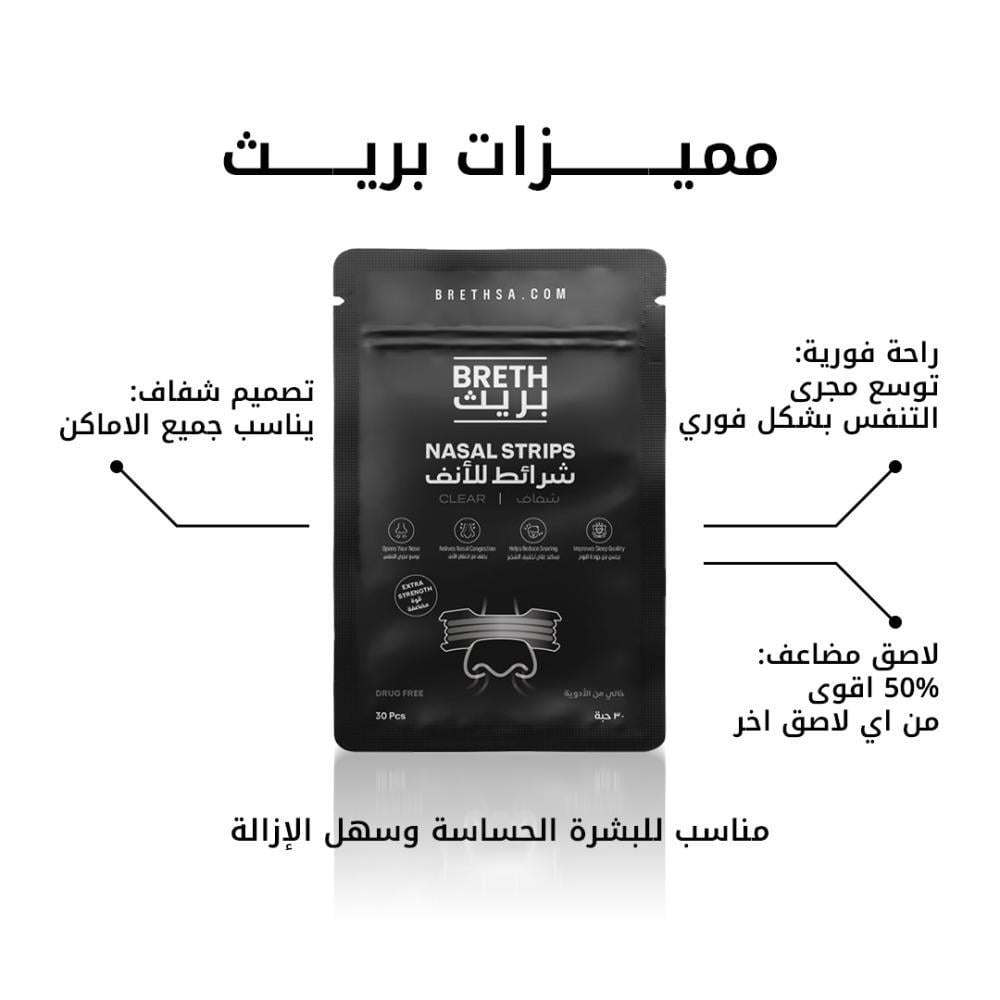
- Using Breth nasal strips:
Using nasal strips helps open the nasal passages and facilitate breathing during sleep without the need for medication.
- Humidify the air:
Use a humidifier in your bedroom to reduce dryness in your nose and airways, making nasal breathing easier.
- Mouth and tongue exercises:
Such as closing the lips with slight resistance or moving the tongue inside the mouth, which strengthens the mouth muscles and reduces reliance on mouth breathing.
- Maintaining nasal hygiene:
Washing the nose with a natural saline solution daily helps relieve nasal congestion. And improve air flow.
- Avoid respiratory triggers:
Avoiding allergens like dust and strong perfumes can help reduce nasal congestion and stuffiness, especially in people with respiratory allergies.
Therefore, continuing these methods regularly may make a significant difference in reducing mouth breathing and improving the quality of breathing and sleep without the need for medications or surgical interventions.
Breth Nasal Strips: Your Natural Solution to Support Nasal Breathing While Sleeping
If you find it difficult to breathe through your nose while sleeping or even during your daily activities, it may be time to try a simple and effective solution like Breth nasal strips. These strips provide natural and safe support for nasal breathing, directly impacting your comfort and quality of life. They feature the following:
- Improve breathing and sleep quality:
Nose strips work Breath gently opens your nasal passages, facilitating airflow and promoting airflow. This helps relieve congestion and reduce snoring, allowing you to enjoy deeper sleep and more restful nights. It also improves breathing during the day.
- Ideal comfort for allergy sufferers:
These patches are known for their ability to relieve seasonal allergy symptoms, such as sneezing and nasal congestion, making them an ideal choice for those who suffer from bothersome allergies, especially during changing weather seasons or in closed environments.
- Safe and easy to use:
Made from non-irritating materials and using advanced technologies, it is safe for daily use by adults and children over 6 years old. Its simple design makes it easy to apply quickly, without any hassle or embarrassment, whether at home or on the go.
- Ideal for athletes and travel:
Breath patches benefit athletes by enhancing physical performance by improving breathing during exercise. They are also an excellent travel companion, especially on airplanes and in enclosed environments where congestion is common.
So, these patches are not just an aid, but your daily breathing companion towards a more comfortable and healthy life.
In conclusion, mouth breathing during sleep is a common problem that significantly impacts sleep quality and overall health. Therefore, it's important to understand its causes and work to treat them naturally and safely. This will restore healthy nasal breathing patterns and maintain your physical comfort and daily activity.
Among effective and safe solutions, Breth nasal strips stand out as an ideal option, helping to gently open nasal passages, promoting nasal breathing and reducing reliance on the mouth during sleep. Whether you suffer from allergies, congestion, or snoring, these strips offer practical support for easy breathing and restful sleep.
Start improving your sleep tonight. Order Breathe patches now and experience the difference for yourself.