
Have you ever woken up with a heavy head or a very dry throat, as if you had been fighting a battle all night? Often, the reason behind this is a blocked nose. This symptom, which some may see as simple, is in fact a silent thief that steals your quality of sleep and your daily energy. Breathing is the most vital process in our lives, and when the natural path of air encounters an obstacle, the body begins to suffer in ways that you may not immediately notice.
At Breathe, we believe that proper breathing is the key to a peaceful life, so we'll take you on a tour to find out why blockage occurs, how it affects your quality of daily life, and what practical solutions can restore your peace of mind.
The most common causes of nasal congestion and how to avoid them
Nasal congestion doesn't happen for no reason; it's a natural response of the body to certain external irritants or internal problems. To understand how to deal with it, the source must first be identified.
1. Sinusitis and infection
Colds and flu are among the most common causes of nasal congestion. When the virus attacks the mucous membranes, the blood vessels inside the nose become inflamed and produce more mucus as a defense mechanism, leading to narrowing of the airways.
2. Environmental allergies (the hidden enemy of the nose)
Many people suffer from allergic rhinitis as a result of dust, pet dander, or pollen.
For example: Have you noticed that your nose gets blocked more when you clean the house or in the spring? This is an allergy that triggers swelling of the nasal passages.
3. Structural factors
Sometimes the cause is purely mechanical, such as a deviated septum (the cartilage that separates the two nostrils). This deviation makes one passage narrower than the other, causing a chronic feeling of congestion.
4. Dry air and air conditioners
In our Arab environments, we rely heavily on air conditioners. The cold, dry air emitted from them absorbs moisture from inside your nose, causing the membranes to dry out and become irritated. The result? Annoying congestion, especially in the morning.
Symptoms of nasal congestion and when should you be concerned?
Some may think that the symptoms of a blocked nose are limited to a cold, but it's deeper than that. Here's how your body expresses its discomfort:
- Difficulty breathing through the nose: Feeling the need to exert effort to draw in air.
- Nighttime snoring: When the nose is blocked, air is forced to pass through the mouth and the loose tissues in the throat, causing the snoring sound.
- Pressure headache: You feel like there is a weight above your eyes or in your forehead.
- Dry mouth and lips: a result of relying entirely on mouth breathing, which causes the body to lose moisture quickly.
- Change in voice tone: appearance of nasality or a muffled nasal voice.
When should you consult a doctor?
If the blockage persists for more than two weeks without improvement, if it is accompanied by severe facial pain, or abnormally colored discharge, then it is preferable to visit a specialist to ensure that there is no chronic inflammation or nasal polyps.
How does a blocked nose affect sleep and overall health?
Herein lies the real problem: the effect of nasal congestion on sleep quality is not just a minor inconvenience, but a disruption that affects the entire body's chemistry.
Interrupted sleep and chronic fatigue
When you are unable to breathe freely, your brain involuntarily wakes up (micro-arousals) to make sure you get oxygen. This means you may never reach the deep sleep stage necessary for muscle repair and memory strengthening. The result is waking up feeling broken in the body and foggy in concentration throughout the day.
Poor daily performance
Have you ever wondered why you feel lethargic at work even though you slept for 8 hours? The answer lies in the quality of the oxygen. Nasal breathing humidifies, warms, and purifies the air before it reaches the lungs, while mouth breathing brings in cold, impure air, reducing the efficiency of gas exchange in your body.
Treatments for nasal congestion: from home to the doctor
Fortunately, there are simple steps that can be a game-changer in treating nasal congestion and relieving stuffiness without complicated interventions:
- Saline solution: Rinsing the nose with a saline solution helps to clear the passages of irritants and excess mucus, reducing swelling immediately.
- Home steam inhalation: Inhaling warm water vapor (with a drop of peppermint or eucalyptus oil) helps to soften stuck mucus.
- Air humidification (Humidifier): Placing a humidifier in the bedroom prevents the mucous membranes from drying out during the night.
- Drink plenty of fluids: Warm water and soups help to keep mucus flowing and prevent it from solidifying in the nasal passages.
- Changing your sleeping position: Sleeping with your head slightly elevated by an extra pillow prevents blood from pooling in the blood vessels of the nose, thus reducing congestion.
Supporting nasal health and improving breathing: Tips and an effective daily routine
For lasting results, nose care should be made part of your health routine, just like brushing your teeth:
- Good ventilation: Make sure to open the windows daily to refresh the air in the room and reduce dust accumulation.
- Pre-sleep routine: Avoid strong perfumes or smoking in the bedroom, as these substances irritate the nose doubly during the night.
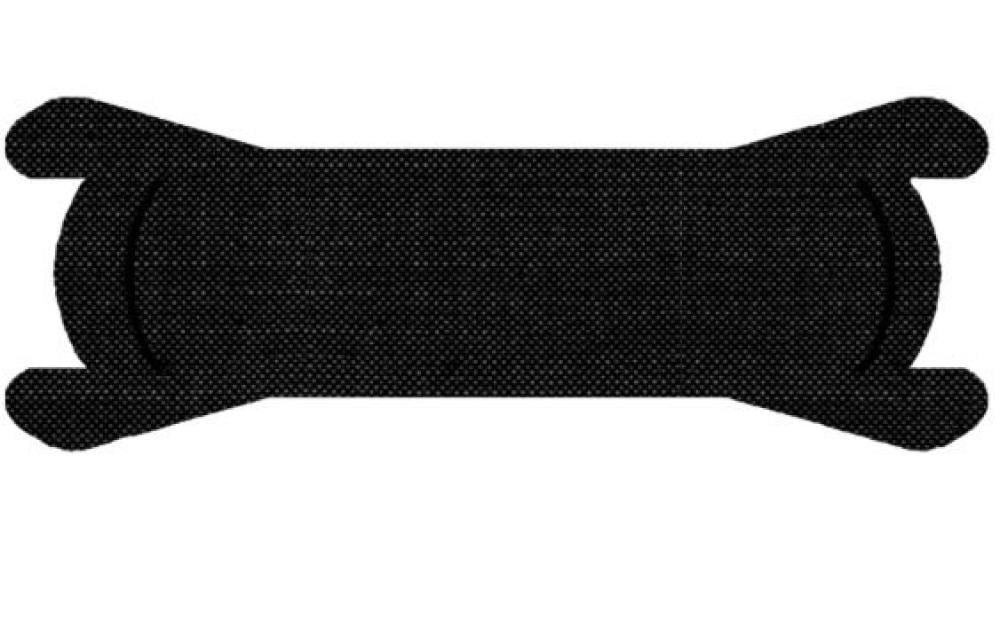
- Mechanical breathing support: Many people find that manually opening the nasal passages helps them amazingly. Using simple tools such as nasal strips designed to support nighttime breathing gently lifts the sides of the nose, increasing airflow without the need for medication. This solution is ideal for those suffering from narrow nasal passages or snoring caused by obstruction.
Golden tip: Make rinsing your nose with warm salt water part of your evening routine to cleanse your passages of the day's pollutants before you put your head on the pillow.
Frequently Asked Questions about Nasal Congestion (FAQ)
- Does chronic nasal congestion permanently affect sleep?
Yes, if left untreated, it can lead to chronic sleep disturbances, increasing the risk of high blood pressure and cardiac stress due to repeated oxygen deprivation.
- How can I avoid nasal congestion while sleeping?
The secret is prevention: keep your bedding free of dust mites, use humidifiers, and try using supportive nasal strips to naturally and comfortably widen your airways.
- Does improving nasal breathing help reduce snoring?
Certainly, snoring is often a cry for help from the throat due to nasal congestion. Once airflow through the nose is improved, reliance on mouth breathing decreases, which reduces vibration of throat tissues and softens the snoring sound.
A blocked nose is a signal from your body that you need to pay attention to the air quality and your breathing. By following a simple routine and relying on practical solutions, you can restore your peaceful nights and morning energy.
You can support your breathing while you sleep using simple tools that help improve airflow through the nose, such as Breathe nasal strips, designed to support nighttime breathing comfortably and easily.
Discover the breathing support products available at Breathe store. Like nose strips Start experiencing a more restful and peaceful sleep.
Breathing better means sleeping better. Start today and experience the difference for yourself.