
Many people experience persistent difficulty breathing through their nose without knowing the true cause, often attributing it to allergies or temporary congestion, when the problem may be more serious. A deviated septum is a common condition that can directly affect breathing quality, sleep, and even daily concentration, especially when left undiagnosed.
In this article, we explain in a simplified medical way how this deviation occurs, what its real symptoms are, when solutions that relieve discomfort are sufficient, and when medical intervention becomes necessary, while clarifying the role of auxiliary solutions such as nasal patches in improving comfort without claiming that they are a definitive cure.
Symptoms of a deviated septum: Common signs you shouldn't ignore
Symptoms of a deviated septum appear gradually in many people and may be ignored at first because they are thought to be just a passing congestion or seasonal allergy, but the persistence or noticeable recurrence of symptoms may be an indication of a problem that needs to be evaluated.
The most common symptoms include:
- Chronic or recurrent nasal obstruction, often more on one side than the other.
- Difficulty breathing through the nose, which becomes more noticeable during sleep or exertion.
- Snoring or making a sound during nighttime breathing.
- Feeling pressure or heaviness in the face, especially around the nose and forehead
- Frequent headaches without a clear cause.
- Frequent or slow-healing sinus infections.
- Dryness inside the nose or frequent nosebleeds in some cases.
What characterizes these symptoms:
- It does not disappear completely using regular decongestants.
- It may improve temporarily and then return again.
- The patient often feels that “one side of the nose is not breathing well.”
Important information:
The similarity of symptoms to allergies or a cold does not always mean that the cause is simple. Prolonged blockage or headaches deserve attention and should not be neglected, especially if they affect sleep and quality of daily life.
Treatment of deviated septum: Home-based options for surgery
Dealing with a deviated septum depends mainly on the degree of deviation and the severity of the symptoms. Not everyone who suffers from a deviation needs surgical intervention. In fact, many cases can have their symptoms relieved by simple means, especially if the symptoms are mild or moderate.
First: Conservative treatment (symptom relief)
It is used when the deviation is minor and does not cause severe obstruction, and aims to improve breathing and reduce daily discomfort. It includes:
- Avoid irritants such as dust, smoke, and strong perfumes.
- Humidify the air inside the room, especially during sleep.
- Nasal irrigation with saline solution to reduce dryness and congestion.
- Use nasal sprays in case of inflammation or allergies (with a prescription).
Second: Solutions to help improve temporary breathing
In some cases, the blockage is caused by a narrow nasal passage rather than inflammation, and this may help:
- External nasal patches that mechanically widen the airway from the outside.
- It is a practical option for improving breathing during sleep or physical activity.
- It is particularly helpful for those who suffer from nighttime obstruction or mild snoring.
These solutions do not treat the deviation itself, but they may improve the quality of breathing and provide temporary relief.
Third: When do we resort to surgery?
When symptoms are severe or persistent and affect sleep or daily life despite the use of conservative methods, the doctor may recommend:
- Septoplasty (difference septum correction surgery)
- It is a procedure aimed at correcting the position of the septum and improving airflow inside the nose.
Key takeaway:
Treatment is not a one-size-fits-all option, but always starts from the simplest to the most invasive, according to the doctor's assessment and the severity of the condition.
Difficulty breathing through the nose: Is the cause always a deviated septum?
Many people experience difficulty breathing through the nose, but not every nasal obstruction necessarily means there is a deviated septum. The nose is a complex organ, and several factors can overlap and lead to the same feeling of obstruction or shortness of breath.
Common causes of difficulty breathing through the nose include:
- Seasonal or chronic allergies.
- Nasal congestion resulting from colds or respiratory infections.
- Sinus infections.
- Enlargement of the nasal turbinates inside the nose.
- Dryness or irritation of the mucous membranes.
In these cases, it is often the case that:
- The obstruction is variable.
- It improves with medication or disappears over time.
- It affects both sides together, not just one fixed side.
When should we suspect a deviated septum?
There are signs that help in differentiation, including:
- Feeling almost constantly blocked on one side of the nose.
- Breathing has not improved despite using the usual treatments.
- Symptoms worsen during sleep or while lying down.
- Obstruction is associated with snoring or frequent headaches.
The key difference is that the dilation often causes a “constant” obstruction, whereas congestion or sensitivity are variable.
Why is diagnosis important?
Because treating allergies is completely different from dealing with deviance. Misdiagnosis can lead to the use of ineffective medications, while the underlying problem remains unresolved.
Educational tip:
If you notice that your breathing difficulties persist for weeks or months and do not respond to common treatments, consulting a doctor is an important step to determine the real cause.
Treating a deviated septum without surgery: Can symptoms be relieved ?
In many cases, the goal is not to correct the deviation itself, but to reduce the associated symptoms and improve the quality of breathing and daily life, especially when the deviation is mild or moderate and does not cause serious complications.
Ways to help relieve symptoms without surgery:
- Humidify the air inside the house using a humidifier, especially in dry climates.
- Rinsing the nose with a saline solution helps reduce dryness and improve airflow.
- Improve your sleeping position, such as sleeping on your side instead of your back.
- Avoid irritants that increase congestion such as dust, smoke, and strong perfumes.
- Maintain adequate fluid intake.
What about quick fixes while you sleep?
When breathing becomes more difficult at night, some helpful solutions may include:
- External nose patches that gently lift the sides of the nose.
- It helps to widen the nasal passages and improve airflow.
- It provides a feeling of comfort faster during sleep or relaxation.
It is important to note that these solutions do not address the underlying problem, but they may reduce the feeling of obstruction and improve sleep for some people.
When is non-surgical treatment not sufficient?
- If the blockage persists severely.
- In case of recurrent sinus infections.
- When sleep or daily performance is noticeably affected.
In these cases, a medical evaluation becomes necessary to discuss appropriate options.
Simplified summary:
Non-surgical treatment may be sufficient to relieve symptoms, but it does not always replace a medical solution when there is a severe deviation.
Causes of deviated septum: Why does it happen and how can it be prevented?
A deviated septum occurs when the septum separating the two nostrils is not straight, leading to narrowing of one or both nasal passages. The causes vary between congenital and acquired conditions resulting from injuries.
Common causes include:
- A congenital cause from birth: Some children are born with an uneven nasal septum, and this is common and cannot be prevented.
- Injury or trauma to the nose: resulting from accidents, falls, or practicing violent sports without protection.
- Unbalanced growth during puberty: The growth of the skeletal structure and tissues inside the nose leads to a deviated septum in some cases.
Tips for preventing and reducing the risk of delinquency:
- Use nose guards during contact sports such as football and boxing.
- Be careful during everyday accidents that could result in direct trauma to the nose.
- Follow up on any nasal injury as soon as it occurs to reduce complications.
Note: Congenital deviance cannot be prevented, but paying attention to injuries can reduce the likelihood of acquired deviance.
In conclusion, a deviated septum may be a major cause of difficulty breathing, snoring, and chronic headaches, but it does not necessarily mean an immediate need for surgery in all cases.
Understanding the symptoms and differentiating them from allergies or congestion is essential for making the right decision, whether it be home treatment, supportive solutions, or medical intervention.
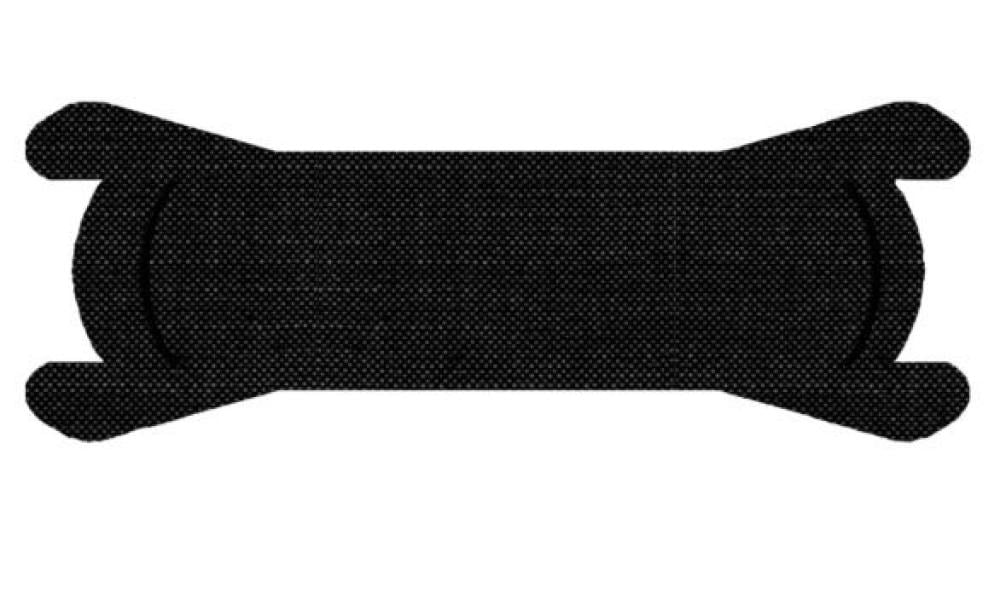
For quick breathing improvements, especially during sleep, Breathe nasal strips can be used as a temporary aid. They work by widening the airway externally, providing immediate relief and making breathing easier. However, they are not a substitute for medical evaluation or treatment when needed. Try Breathe nasal strips. Today, enjoy a calmer sleep and easier breathing within minutes.