
By the Breth Sleep and Breathing Team · Updated October 2026
Short answer: "sleep patches" means three things: melatonin films (sleep strips) that dissolve on the tongue, skin patches with melatonin or herbs, and drug-free breathing patches: nasal strips and mouth tape. The first two hold active ingredients, so ask a pharmacist or doctor first. Nasal strips help open your nasal airway while worn; mouth tape has weak evidence and strict rules. This article is information, not a diagnosis.
Key takeaways
- Melatonin films aren't patches; they're swallowed like a medicine.
- Any sleep product with an active ingredient: pharmacist or doctor first, and out of children's reach.
- Snoring with breathing pauses: a doctor, not a patch.
What types of sleep patches are there?
- Melatonin films (sleep strips): dissolve on the tongue and are swallowed; they contain an active ingredient.
- Skin patches: release melatonin or herbal extracts through the skin; they contain an active ingredient.
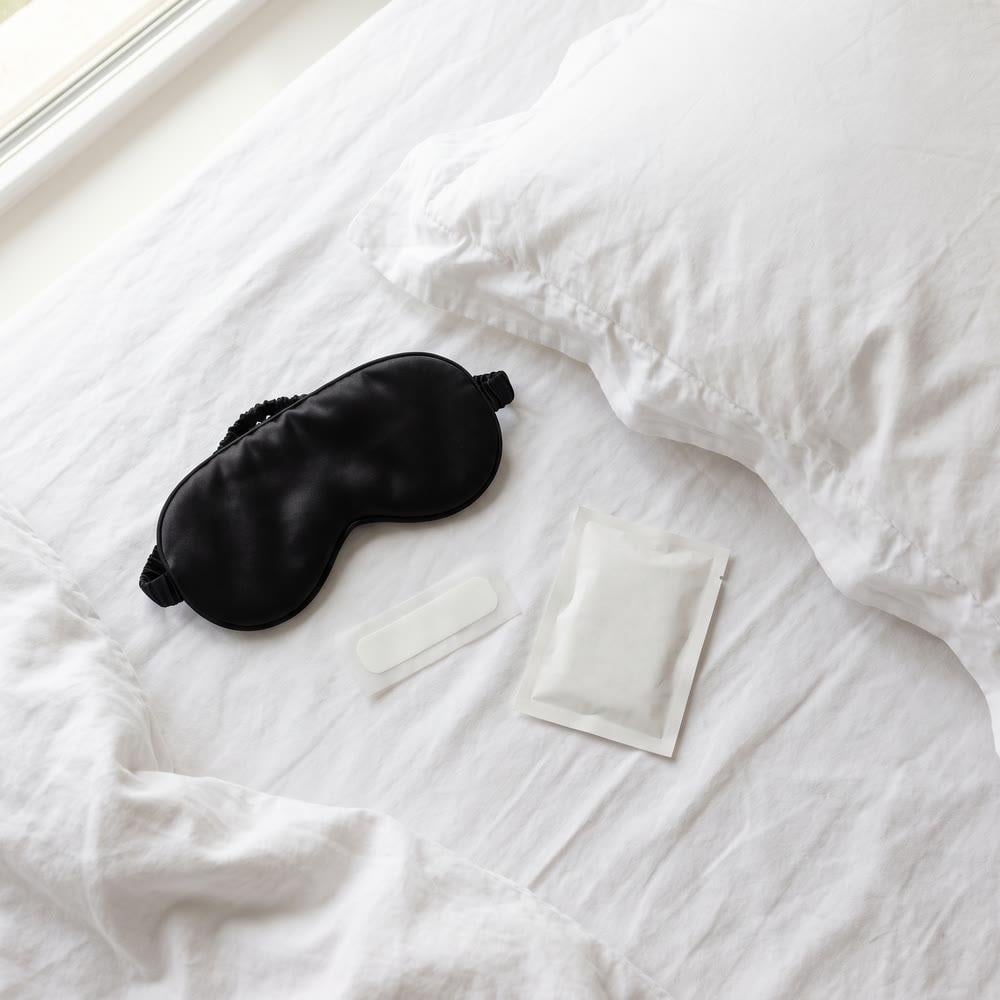
- Breathing patches: nasal strips and mouth tape; no medicine, working only while worn.
Melatonin films: what are they, and why ask a pharmacist first?
Melatonin is a hormone the body makes at night. The UK makes it prescription-only; the US sells it as a supplement. Evidence is too weak to recommend it for long-term insomnia, where cognitive behavioural therapy comes first. No use beyond a short course without a doctor, no combining with other sleeping pills, drowsy herbs or anything sedating, and no driving or machinery, even next morning, if drowsy.
Skin sleep patches: what's in them, and what to watch for
Treat them like the films, plus possible skin irritation. Labels can be wrong: in a US study, 22 of 25 melatonin gummies didn't match their label; one had none, the rest held 74% to 347% of the stated amount. Using any melatonin or herbal product is a doctor's or pharmacist's call; we don't recommend one.
Do sleep patches have side effects?
Melatonin: daytime sleepiness, headache, stomach ache, nausea, dizziness, irritability, dry mouth, itching and strange dreams; serious effects are rare. Ask a doctor first after any medicine allergy, or with liver or kidney problems, an autoimmune disease, epilepsy or a blood thinner. Usually not recommended in pregnancy; if breastfeeding, ask a doctor and don't bed-share while taking it. It interacts with many medicines, including antidepressants, sleeping pills, blood pressure, epilepsy and hormonal medicines, so tell the pharmacist everything you take.
Children: no sleep product with an active ingredient without a paediatrician, and keep it out of reach. US cases of children swallowing melatonin rose 530% from 2012 to 2021, mostly aged 5 or under.
Breathing patches: only on clean, unbroken skin; remove if redness or irritation appears. Mouth tape has its own rules below.
Nasal strips: how do they help you breathe easier while you sleep?
A nasal strip is a drug-free band outside the nose that helps open your nasal airway while worn, without removing the cause of a blockage. The UK's NHS lists strips that hold the nose open in sleep as an option for snoring. Studies of other brands' strips found a wider front airway at rest, and participants feeling they slept better though measured sleep was similar. Strips don't treat sleep apnoea or replace a doctor. See do nasal strips work for snoring?
Breth nasal strips aren't a medicine; they help open your nasal airway while worn. How to wear them: how to use nasal strips.
Mouth tape for sleep: who is it for, and who shouldn't use it?
It aims to help you breathe through your nose in sleep, but a 2025 review of 10 studies rated all poor quality and doesn't support it as a treatment.
- Never tape your mouth: with a blocked nose, an ongoing nasal allergy or a sinus infection, after a sleeping pill or anything that makes you drowsy that night, on a night you might vomit, or for children.
- See your doctor first: with sleep apnoea, heart or breathing problems such as asthma, large tonsils, a deviated septum, anxiety or panic attacks, or night-time reflux.
- If you try it: test it awake in the daytime, use tape made for skin and sleep, never household tape, fold a corner for removal, and stop if your skin reacts.
See is mouth taping during sleep safe?
Which type fits your problem?
- Can't sleep: habits first, a doctor if it lasts months; melatonin or herbs only via a pharmacist or doctor. See insomnia: a practical guide.
- Narrow nose at night: a nasal strip, drug-free while worn; blocked for weeks needs a doctor.
- Mouth open, nose clear: adults may consider mouth tape with the rules above. See mouth open while sleeping.
- Snoring with pauses or gasping: a doctor.
When should you see a doctor instead of trying patches?
- Breathing stops and starts in sleep, gasping or choking, or loud snoring with daytime tiredness, morning headaches, poor focus or mood swings: possible sleep apnoea. See a doctor; don't drive drowsy.
- Snoring badly affecting you or your partner, or insomnia for months.
- A blocked nose not better after 3 weeks, worsening, coming back, or with changed smell.
- On melatonin: vision changes, bleeding that won't stop, unexplained bruising or blood in urine: urgently; low mood: a doctor. A breastfed baby very sleepy or feeding poorly: a doctor promptly.
For advice, call 937 (Ministry of Health), 24/7.
Emergency: call 997 for a severe allergic reaction such as facial swelling or trouble breathing; someone on melatonin who suddenly becomes very confused, drowsy or dizzy, or faints and can't be woken; or a child who swallowed a sleep film, gummy or patch, especially if limp, having a seizure, hard to wake or struggling to breathe.
FAQ
Are sleep patches safe for children?
Products with an active ingredient: not without a paediatrician. Mouth tape: no. Nasal strips: ask the paediatrician first.
Do nasal strips help sleep apnoea?
No; they aren't a treatment for it, and sleep apnoea needs a doctor.