
Sinusitis can significantly affect the quality of daily life, causing congestion, headaches, and difficulty breathing, which negatively impacts concentration and overall comfort. With its symptoms similar to colds and allergies, understanding its causes and how to deal with it correctly is crucial. Therefore, in this article, we will review the most prominent causes, common symptoms, and the best methods to alleviate its severity and prevent its recurrence.
What is sinusitis?
Sinusitis can be defined as a condition of swelling or irritation of the mucous membranes lining the four air cavities located within the skull bones and surrounding the nose, which normally act as filters and passageways for air to pass through and mucus to drain smoothly.
When the drainage openings of these air cavities become blocked due to a viral or bacterial infection, or even allergic reactions, mucus becomes trapped inside, creating a breeding ground for germs. This leads to difficulty breathing and increased pressure within these cavities, which explains the patient's characteristic feeling of heaviness and pain in the forehead and cheeks.
The inflammation may be acute, lasting for a short period, or chronic if it lasts for many weeks and its symptoms recur. In both cases, a correct diagnosis is required to determine how to alleviate the symptoms and improve quality of life.
Common sinus symptoms and when they appear
Sinusitis symptoms vary from person to person, but they often begin gradually after a cold or allergy attack. The most important of these symptoms include the following:
- Nasal congestion and blockage, which usually appears in the first few days, increases with the accumulation of secretions inside the nasal cavities.
- Pain or pressure in the face, especially around the forehead, cheeks, or between the eyes, that increases when bending forward.
- A persistent headache, caused by pressure inside the sinuses, and often located in the front of the head.
- Thick nasal discharge, which may be yellow or green if there is an infection.
- Reduced sense of smell or taste due to blocked nasal passages.
- A cough that worsens at night due to secretions dripping down the throat.
- A slight increase in temperature, sometimes seen in cases of acute inflammation.
It often begins 3–5 days after catching a cold, and may last for more than 10 days if it develops into an infection. In chronic cases, symptoms may persist for weeks or even months with temporary periods of improvement.
The most common causes of sinusitis
The most common causes of sinusitis include the following:
- Colds and viral infections: These are the most common cause, as they lead to swelling of the nasal lining and blockage of sinus openings.
- Seasonal or chronic allergies cause persistent irritation in the nose and increased secretions, which contribute to sinus congestion.
- Bacterial infection: This may appear after symptoms have persisted for a long time without improvement, and is accompanied by heavy discharge and more severe pain.
- Deviated septum: It obstructs the normal drainage of secretions, increasing the likelihood of inflammation.
- Nasal polyps (sac-like growths): They block the nasal passages and prevent proper ventilation of the sinuses.
- Exposure to pollutants and smoke: causes irritation of the mucous membranes and increases the chances of inflammation.
- Weakened immunity: makes the body more susceptible to frequent infections.
It is worth noting that knowing the underlying cause helps in choosing the most appropriate treatment and reducing the chances of sinusitis recurring in the future.
Read also: Treating snoring during sleep: 3 simple and effective steps for a peaceful sleep
Sinusitis treatment: everyday management methods
Treatment for sinusitis in daily life focuses on relieving symptoms and improving airflow within the nasal passages, while supporting the body's fight against inflammation. Simple home remedies can be combined with certain medications when needed to achieve better results, including:
- Use a saline nasal rinse to clean the nasal passages and reduce swelling and accumulated mucus.
- Inhaling warm steam helps to open blocked sinuses and relieve congestion.
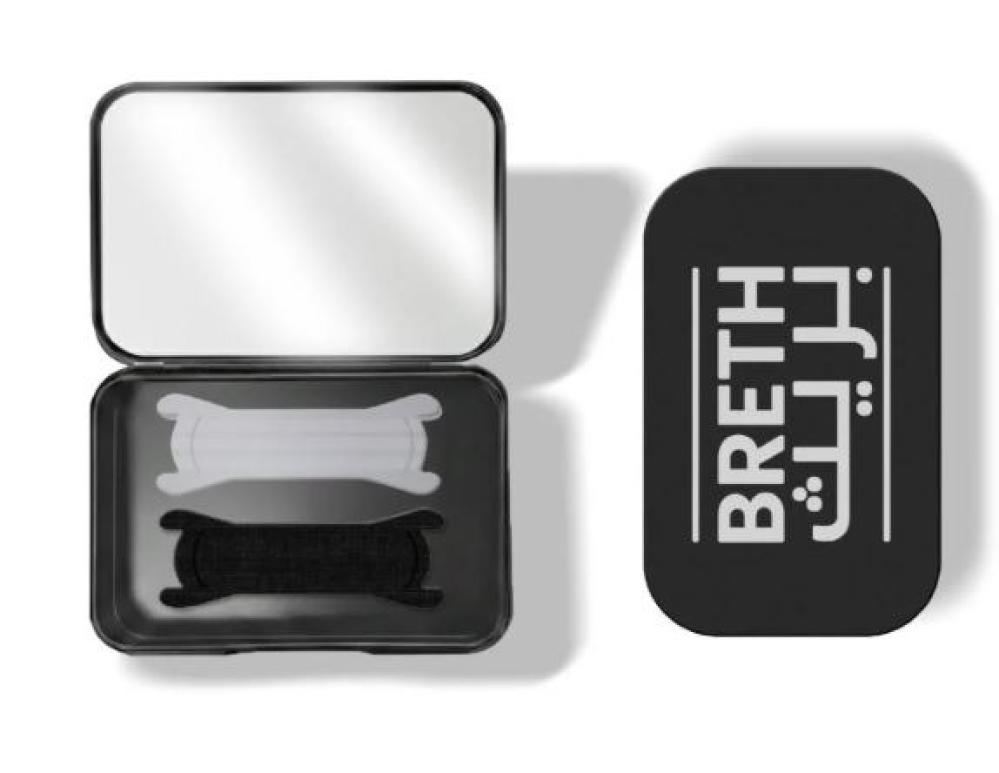
- Using nasal strips that widen the nostrils outwards improves airflow and makes breathing easier, especially during sleep.
- Allergy medications (anthistamines) are used to reduce irritation and secretions if the cause is allergic.
- Decongestant nasal sprays, which are used according to a doctor's instructions to relieve inflammation.
- Drinking fluids and getting enough rest supports immunity and helps in draining secretions.
- Warm compresses on the face to reduce the feeling of pressure in the forehead and cheeks area.
- Consult a doctor, especially if it lasts more than 10 days or worsens.
Adherence to these daily methods, whether natural or pharmaceutical, contributes to a significant reduction in symptoms and improvement in breathing quality, while reducing the chances of the condition developing or worsening.
Read also
Tips for healthy sinuses and reducing the frequency of infections
Prevention plays a key role in reducing the chances of recurrent sinusitis. Continuous care of the respiratory system contributes to strengthening its resistance to the factors that cause inflammation. Therefore, here are the most important tips for healthy sinuses:
- Avoid allergens, such as dust, pollen, and strong perfumes.
- Improve indoor air quality through good ventilation and use of air purifiers when needed.
- Wash your hands regularly to reduce the transmission of viruses that cause colds.
- Following a balanced diet supports immunity and enhances the body's ability to resist infection.
- Exercise regularly to improve blood circulation and support respiratory health.
- Practice breathing exercises regularly to support respiratory efficiency and improve airflow.
- Avoid sudden changes in temperature, as a rapid transition from hot to cold weather can irritate the nasal membranes.
- Drinking enough water daily helps keep mucous membranes moist and prevents them from drying out.
- Adjusting your sleeping position by slightly raising your head while sleeping helps improve drainage of secretions.
Following these healthy habits consistently ensures a reduction in the likelihood of recurrent inflammation and contributes to maintaining healthy sinuses and comfortable breathing in the long term.
Read also: Nasal dilators or nasal strips for snoring
Frequently Asked Questions
- Is sinusitis contagious?
In most cases, sinusitis itself is not contagious, especially if it is caused by allergies or structural problems in the nose. However, if the inflammation is the result of a viral infection such as the common cold, the original infection may be contagious, not the inflammation itself, as viruses are transmitted between people, while the sinusitis remains a result of the condition developing within the body.
- What is the difference between acute and chronic sinusitis?
The main difference lies in the duration and severity of the symptoms. Acute sinusitis usually lasts less than 4 weeks, is often the result of a cold or temporary infection, and improves with appropriate treatment, while chronic sinusitis lasts for more than 12 weeks, may recur several times a year, and is often associated with persistent allergies or anatomical problems such as a deviated septum.
In conclusion, sinusitis is a common problem that can affect quality of life if not dealt with properly. Therefore, understanding the causes, noticing the symptoms early, and adhering to treatment and prevention steps greatly helps to reduce the severity and frequency of symptoms. Some helpful tools can also be used, such as nasal strips , which help improve airflow and relieve the feeling of congestion, especially during sleep.
To improve your comfort and effectively reduce nasal congestion, try Breathe nasal strips , which support natural airflow and help you breathe easily during sleep or daily activity.