
We may not give much thought to the way we breathe on a daily basis, but breathing through the nose or mouth is not just a minor difference, but a habit that directly affects our health and quality of life.
The nose is not just an entry point for air, but an integrated system for purifying, humidifying, and preparing the air for the lungs. While breathing through the mouth may sometimes seem like a quick solution, in the long run it may carry unexpected risks such as dry throat, snoring, and sleep disturbances.
Understanding the difference between the two methods is the first step towards improving your breathing and enjoying better health and deeper sleep.
Is it better to breathe through the nose or the mouth? Which does the body prefer?
Breathing is the simplest function a human being performs, but it's not simply a mechanical process. Your choice between breathing through your mouth or nose can make a significant difference to your health.
- The nose acts as the first line of defense, humidifying and warming the air before it reaches the lungs, and also purifying it from dust and germs.
- The mouth exceeds these normal functions, which can lead to a dry throat, frequent respiratory infections, and sleep disorders such as snoring.
For this reason, the body always prefers breathing through the nose as the natural way to maintain breathing balance and long-term health quality.
Why is breathing through the nose the best option for your health?
If you're wondering whether it's better to breathe through your mouth or nose, breathing through your nose isn't just a natural habit; it's a mechanism your body designed to protect you and support your overall health. When air passes through your nose, a series of vital processes occur that make breathing safer and more efficient.
- Air purification : The fine hairs inside the nose act as a natural filter that traps dust, bacteria, and pollutants before they reach the lungs.
- Air humidification and warming : The nasal mucous membrane prepares the air to match the body's temperature and humidity, thus reducing irritation of the airways.
- Increased oxygen levels : Breathing through the nose stimulates the production of nitric oxide.
- (Nitric Oxide), a compound that helps to widen blood vessels and improve oxygen distribution in the body.
- Boosting immunity : Thanks to these functions, the body becomes more able to resist infection and support the immune system naturally.
Therefore, breathing through the nose is considered the best option for maintaining lung health, sleep quality, and even daily energy levels.
When should we resort to mouth breathing? Conditions and potential risks
Although breathing through the nose is the natural and best option, there are situations that may force us to breathe through the mouth temporarily or permanently.
Common causes of mouth breathing:
- When suffering from nasal congestion or stuffiness due to a cold or allergies.
- During intense exercise, the body needs a greater amount of oxygen quickly.
- When there are structural problems in the nose such as a deviated septum or enlarged adenoids.
Long-term damage from mouth breathing:
- Dry mouth and throat , which increases the likelihood of tooth decay and gum infections.
- Sleep disorders such as snoring and sleep apnea.
- The quality of the inhaled air is low because it does not go through the purification and humidification stage provided by the nose.
- General fatigue due to inefficient oxygen entry into the body.
Therefore, mouth breathing is considered a temporary solution in some cases, but continuing with it may lead to health problems that require intervention and treatment.
How to get rid of mouth breathing during sleep
Breathing through your mouth while sleeping may seem normal, but over time it negatively impacts your health and the quality of your night's rest. Fortunately, there are simple steps that can help you return to normal nasal breathing while sleeping:
- Treating nasal congestion : Nasal congestion and mouth breathing are treated by using saline sprays or consulting a doctor to treat allergies or a deviated septum.
- Keep the room humid : Dry air makes nasal breathing more difficult, so it is recommended to use a humidifier.
- Sleeping on your side: Instead of sleeping on your back, this helps to reduce snoring and mouth breathing.
- Commit to breathing exercises : Practice deep breathing exercises through the nose during the day to train the body to use this habit.
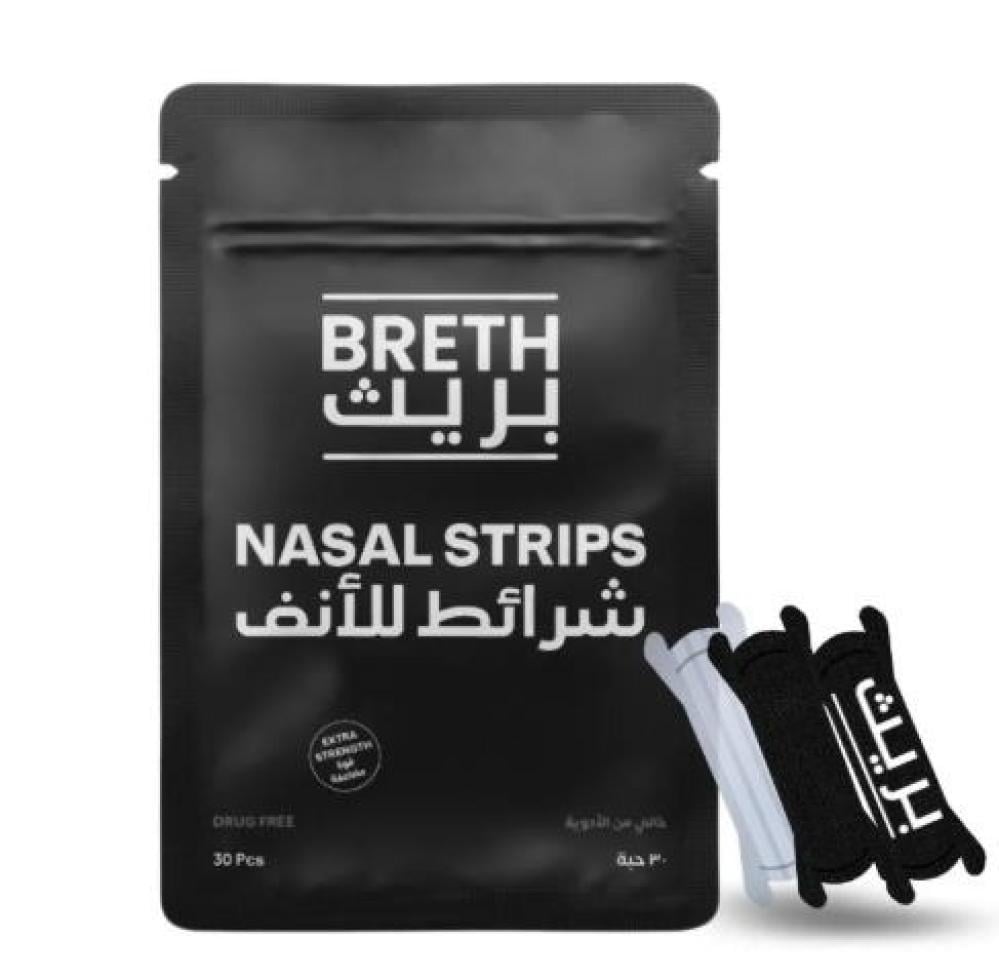
- Using assistive devices : such as the Breth night nasal patch, which opens the airway and prevents the mouth from remaining open during sleep.
By following these steps, anyone can improve their nighttime breathing and enjoy deeper, more restful sleep.
Breth patch for improved breathing: Can it help you breathe normally?
If you find it difficult to maintain nasal breathing while sleeping, Breathe nasal breathing patches may be the practical solution you need.
This patch is specifically designed to help the body restore its natural pattern of breathing through the nose, away from medications or complicated solutions.
How does the Breth patch work?
- It gently opens the nasal passages, making it easier for air to enter naturally.
- It prevents the mouth from remaining open during sleep, which reduces snoring and dry throat.
- It helps improve sleep quality and feeling refreshed upon waking.
- Easy to use and safe, as it is simply applied before bedtime and removed upon waking.
Using a Breth patch regularly not only gives you a more peaceful sleep, but also helps you gradually get rid of the habit of breathing through your mouth, which has a positive impact on your overall health.
In conclusion, breathing may seem simple, but it is actually the key to better health and deeper sleep. While we may sometimes resort to breathing through the mouth, breathing through the nose remains the natural option that the body designed to protect us and improve our vital functions.
With a few simple steps and healthy habits, you can get rid of mouth breathing and enjoy greater comfort every night.
Frequently Asked Questions:
1. What is the correct way to breathe?
The correct way to breathe is through the nose, not the mouth, because the nose filters and humidifies the air before it reaches the lungs, which helps improve oxygen absorption and reduce health problems.
2. What is the difference between breathing through the nose and breathing through the mouth?
The difference is that breathing through the nose purifies, humidifies, and regulates the temperature of the air, while breathing through the mouth allows unpurified air to enter and may cause dry mouth, dental problems, and snoring.
3. Is breathing through the mouth harmful while sleeping?
Yes, breathing through the mouth while sleeping can lead to snoring, dry throat, and poor sleep quality, and can also increase gum and teeth problems in the long term.
4. Why is it preferable to breathe through the nose rather than the mouth?
Because breathing through the nose helps improve oxygen flow in the body, reduces the entry of pollutants, and supports respiratory health better than breathing through the mouth.
5. How can breathing during sleep be improved and snoring reduced?
Breathing during sleep can be improved by relying on nasal breathing, treating nasal congestion, and using devices that help open the airway, which reduces snoring and improves sleep quality.
If you are looking for a practical way to help you easily restore your normal breathing, the Breth patch offers the solution; it supports nasal breathing, reduces snoring, and gives you a more peaceful sleep.
Don't wait any longer, shop Breathe Patches now , and start your journey towards healthy breathing and restful sleep every night.