
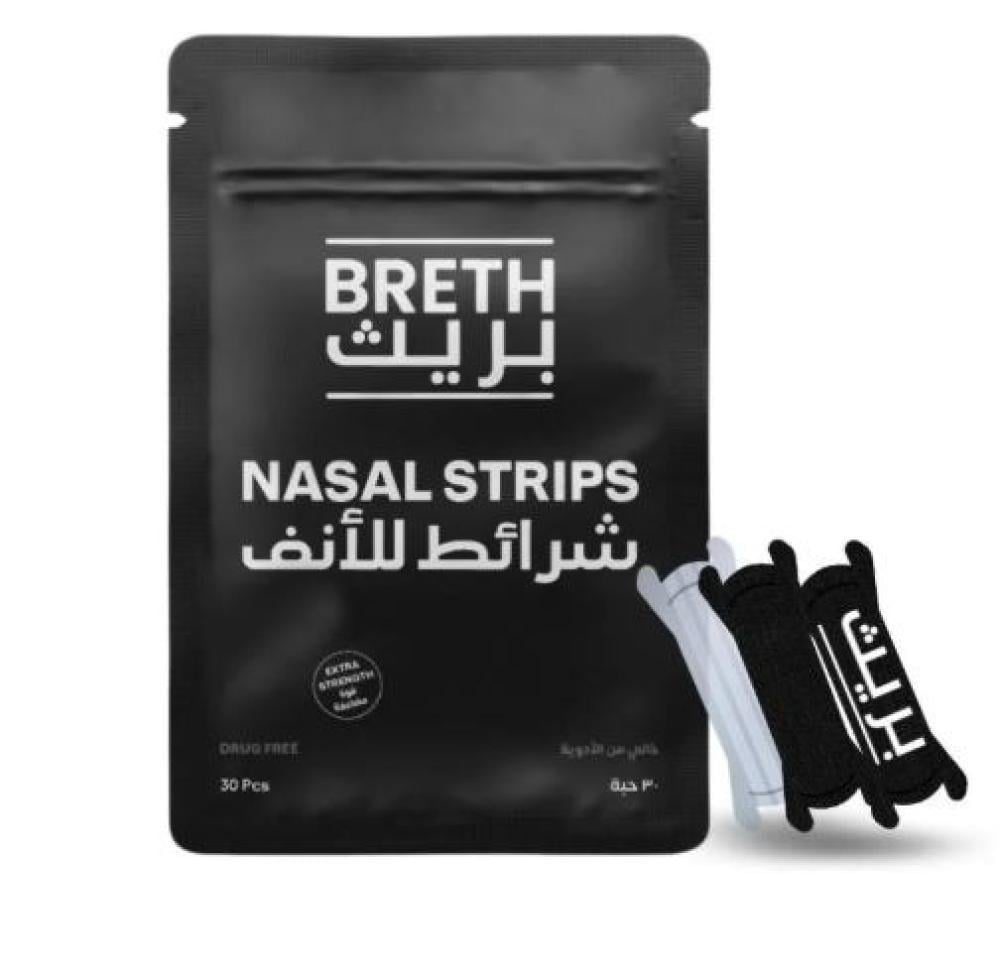
Nasal patches are a simple and effective solution that has become widely popular among people who suffer from breathing difficulties, whether during sleep or daily activities, as they help to open the nasal passages naturally, which contributes to improving airflow and reducing snoring and congestion without the need for medication.
In this article, we review the benefits of these patches, how they work, and the correct way to use them to get the best results and improve breathing quality safely and practically.
What are nasal strips? And how do they help improve breathing?
Nasal patches are flexible adhesive strips placed on the outside of the nose, containing micro-supports that gently lift the sides of the nose, helping to improve breathing flow by widening the nasal passages from the outside.
Nasal patches improve breathing through a non-pharmaceutical, mechanical mechanism, helping to reduce nasal congestion caused by allergies, colds, or naturally narrow nasal passages. They are commonly used to alleviate snoring and improve sleep quality, as well as support respiratory performance during exercise. Thanks to their ease of use and safety, nasal patches are a practical option for improving breathing without side effects.
The difference between nose patches and nose strips: are they the same thing?
The terms nose patches and nose strips are often used to refer to the same product, but the difference is often in the marketing and branding, as well as the size and shape of the strip according to the nose design.
Whether they are called nasal patches or nasal strips, the function is the same: to improve breathing, reduce congestion, and help relieve snoring, without any drug intervention.
How to use nose strips step by step for best results
Using nasal decongestant tape correctly is essential to maximizing its benefits in improving breathing and relieving congestion. Here are the most important steps to ensure the tape stays in place for the best results:
- First: The face must be washed and the nose area thoroughly dried to ensure it is free of oils or dirt that may affect the adhesion of the adhesive.
- Second: Carefully peel off the backing layer without touching the adhesive part as much as possible.
- Third: Place the adhesive on the bridge of the nose, directly above the sides of the nose, and not on the tip or near the eyes.
- Fourth: Gently press the nose patch for a few seconds to ensure it adheres well and takes effect.
- Fifth: Leave it on throughout the period of sleep or activity, and do not exceed the period recommended by the manufacturer.
With regular and correct use of nasal strips, a noticeable improvement in ease of breathing and quality of sleep can be observed, making it a simple and practical solution to support respiratory comfort without drug intervention.
Do nasal patches for sleeping reduce snoring and improve sleep quality?
Yes, nasal patches for sleeping can help reduce snoring and improve sleep quality for many people, especially if the snoring is caused by a blockage or narrowing of the nasal passages. These patches gently lift the sides of the nose, which helps to widen the nasal passage and improve airflow during breathing, thus reducing the vibrations that cause the snoring sound.
Improving ease of breathing during sleep has a positive impact on sleep quality and overall comfort, as nasal strips to facilitate breathing during sleep help reduce the feeling of suffocation or frequent awakenings at night, so some users experience deeper and more stable sleep, especially when there is nasal congestion resulting from allergies or a cold.
It is worth noting that the effectiveness of the patches varies from person to person; they are most useful in cases of mild snoring with nasal obstruction or narrowing of the nasal passage, while they may not be sufficient on their own in some other cases of snoring, which require medical evaluation and specialized treatment.
Nose strips for sports: When do you need them? And how do they help you during exercise?
During exercise, the body needs a continuous and efficient airflow to meet the muscles' oxygen needs. Therefore, athletes notice that breathing becomes more difficult during training, especially during high-intensity exercises. This is where the benefit of sports nose strips comes in as a simple and practical solution to improve airflow during exercise, which directly improves physical endurance and reduces fatigue during running, cycling, or high-intensity training.
These strips can be particularly helpful for those suffering from:
- Partial nasal obstruction or seasonal congestion.
- Difficulty breathing during intense exercise.
- The desire to improve athletic performance through more efficient and less strenuous breathing.
Therefore, a sports nose patch is a simple tool to improve breathing flow and increase comfort during exercise, helping you to perform your physical activity more efficiently.
When is the use of nasal strips not recommended?
Although nasal strips are safe and easy to use for most people, there are situations where their use may be inappropriate or ineffective, including:
- If the nasal passage is too narrow due to a deviated septum or other abnormalities, the patches may not provide sufficient improvement to breathing.
- People with sensitive skin or skin infections around the nose may experience irritation or a rash when using the patches.
- In cases of sleep apnea, patches are insufficient, and a doctor should be consulted to assess and treat the condition appropriately.
It is also preferable to avoid using a nasal plaster when there are wounds or injuries in the nose to avoid aggravating the condition, and to wait until it has fully healed before using it.
The difference between nasal strips and nasal spray
The nasal patch differs from the nasal spray in its method of action and duration of effect. While the nasal patch relies on a mechanical mechanism to widen the nasal passages from the outside and provides effectiveness throughout sleep or exercise, the nasal spray works internally to reduce congestion by widening blood vessels for only a short period.
Patches are a practical and long-term option for improving breathing and reducing snoring, while sprays are used temporarily to relieve congestion caused by colds or allergies. Prolonged use of sprays can lead to nasal irritation or dependence.
Frequently Asked Questions
- Are nose strips safe for daily use?
Yes, most nose patches are safe for daily use, provided that the enclosed instructions are followed and they are not used on irritated or inflamed skin.
- How long should the nose patch be left on to achieve the best result?
It is preferable to leave the adhesive on throughout the period of sleep or physical activity, and not to exceed the period recommended by the manufacturer, usually between 8 and 10 hours.
- Can nasal strips be used for children?
Yes, nasal strips, such as Breathe strips, can be safely used for children over 5 years old.
- Do nasal strips help in cases of severe snoring?
It may help in cases of mild snoring or snoring related to nasal congestion, but it is often not sufficient on its own for severe snoring or sleep apnea, where the person needs a specialist medical evaluation.
- Can it be used on oily skin?
Yes, it can be used on oily skin, provided the nose is thoroughly cleaned before applying the patch to ensure its stability and effectiveness.
If you're looking for a comfortable and safe experience, Breathe nasal strips offer the perfect solution with their high flexibility and convenient opening design to improve breathing, reduce snoring, and support performance during sleep or exercise, without the need for medication or complicated treatments. Don't wait any longer, try Breathe now and enjoy deeper sleep and easier breathing throughout the day.
You can visit our website for more products and important articles here.